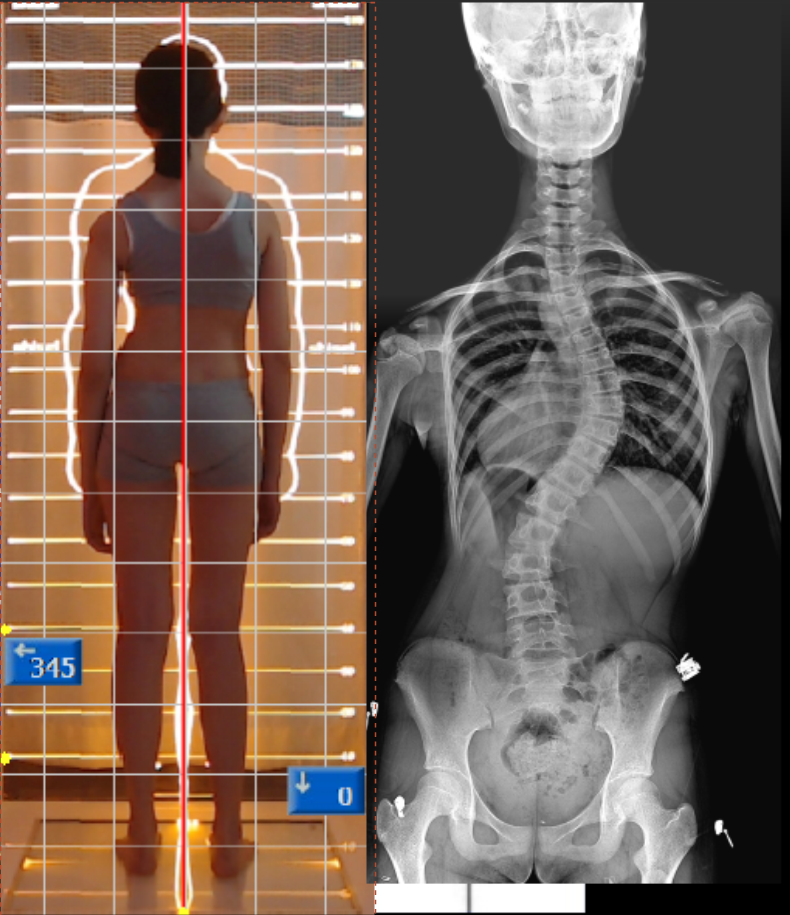
Scoliosis is a three-dimensional (3D) spinal deformity—it
involves not only a side-to-side curve, but also rotation and changes in the
natural front-to-back curves of the spine.
Because of this 3D component, scoliosis can affect posture, breathing
mechanics, muscle balance, and how the body distributes load during standing
and walking.
In mild to moderate cases, scoliosis is often not
associated with back pain or fatigue, especially in children and
adolescents.
However, when spinal deformity becomes severe, it can lead to compression
of internal organs (viscera) and, in extreme cases, may impact overall
health and life expectancy.
Types and
prevalence of scoliosis
Idiopathic scoliosis accounts for approximately 80–90% of all cases,
meaning no specific underlying cause is identified.
10–20% of cases have a known etiology, including:
Congenital
scoliosis
Neuromuscular or
neuropathic conditions
Approximately 1 in 20 children show some degree of spinal deformity.
Scoliosis shows a strong female predominance, with an estimated female-to-male
ratio of 7:1, particularly in progressive cases.
Because scoliosis is often painless and subtle in early stages, it
may go unnoticed without proper screening.
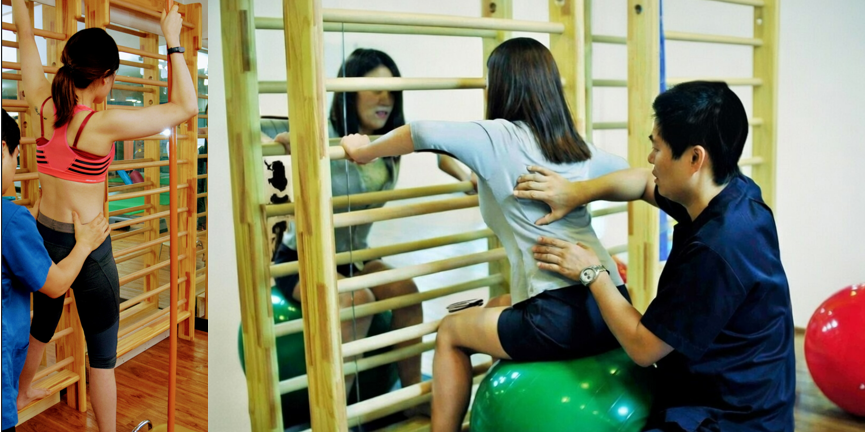
Our
clinical approach