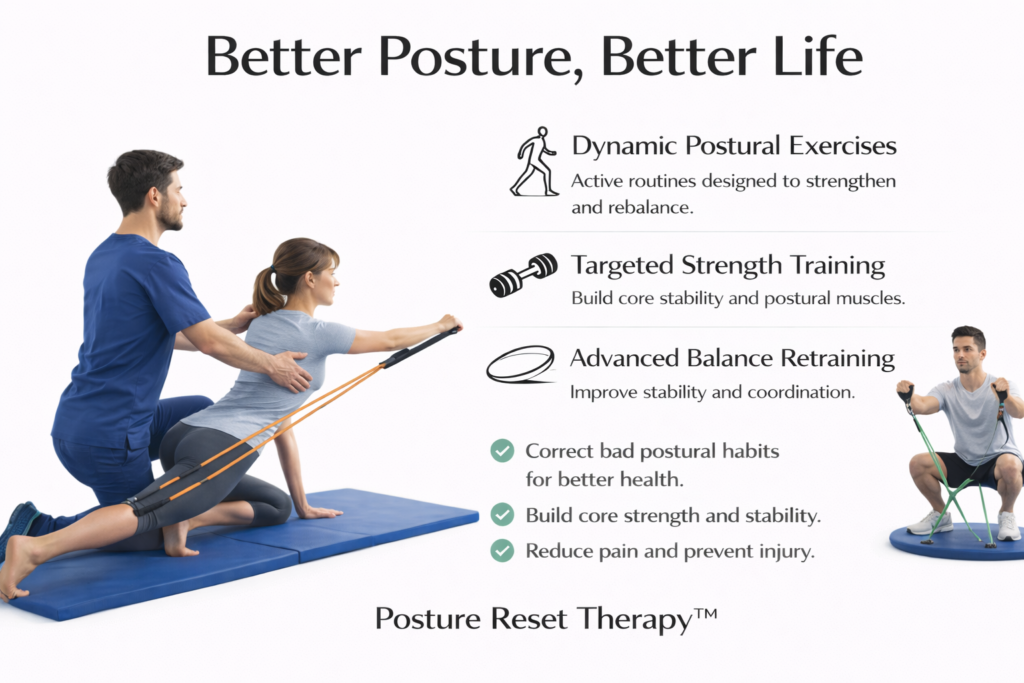
Posture Reset Therapy™ is our signature, muscle-based treatment approach to
posture correction, combining postural setting exercises with skilled manual
therapy.
Lengthening shortened postural muscles
Strengthening weak and inhibited muscles
Retraining neuromuscular control
Supporting long-term posture improvement through movement re-education
How We Improve Posture
Step 1 – Posture and Movement Assessment Evaluation of posture, movement patterns, and muscle imbalances, and foot
arch alignment.
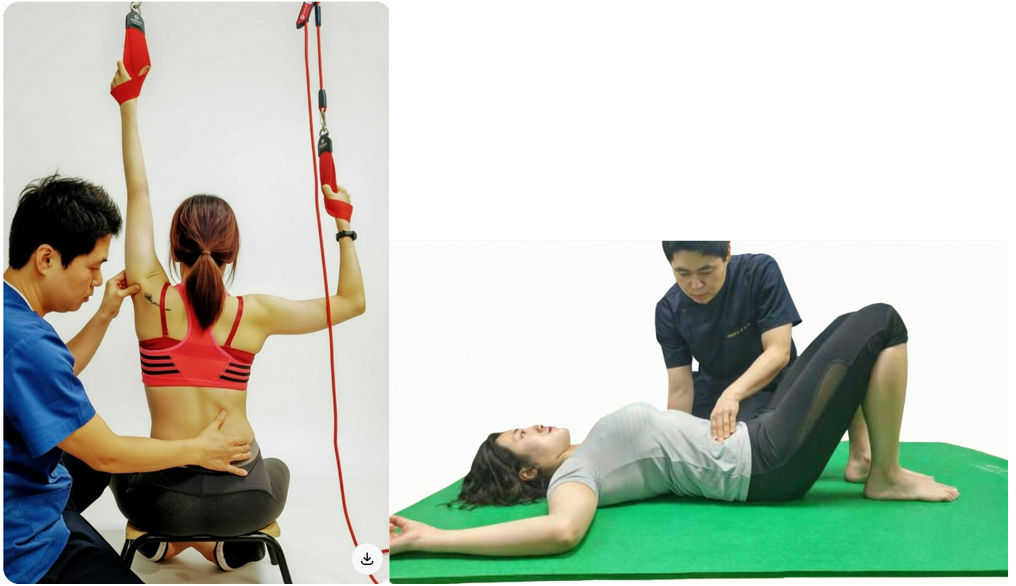
Step 2 – Manual Therapy Hands-on techniques to reduce muscle tightness and improve mobility.
Step 3 – Postural Setting Exercises Targeted exercises to lengthen shortened muscles and strengthen postural
stabilizers.
Step 4 – Functional Integration Training improved posture into daily activities and functional movements.
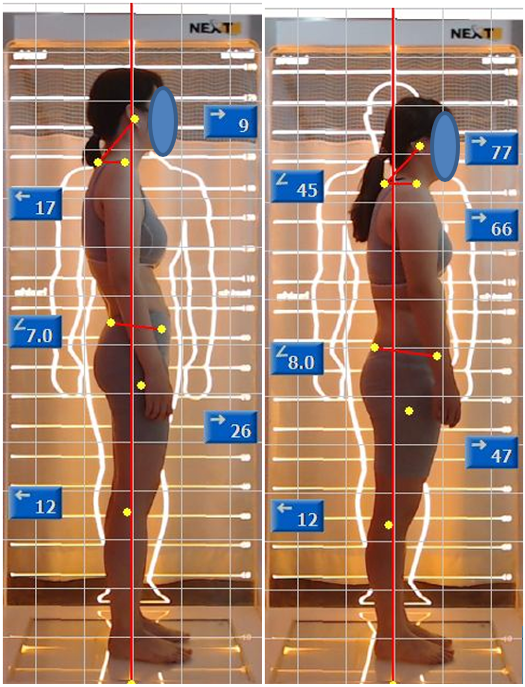
Forward Head & Rounded
Shoulder Posture
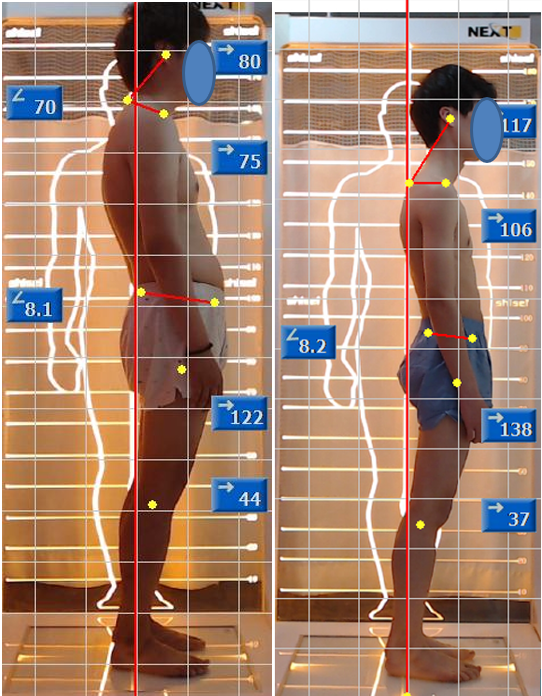
Forward head and rounded shoulder postureis a common
postural pattern in which the head shifts forward of the body’s center line
while the shoulders roll forward.
This posture is often associated with reduced postural muscle support,
especially in the upper back, neck, and shoulder stabilizing muscles.
When the head and shoulders remain forward, increased
mechanical load is placed on the cervical spine, upper back, and shoulder
joints.
Over time, this may contribute to neck pain, shoulder discomfort, upper back
tightness, and postural fatigue.
Swayback posture
Sway back posture is a standing posture pattern in which the
pelvis shifts forward while the upper body leans backward relative to the
body’s center line.
This posture is often associated with reduced core muscle support and altered
postural muscle balance.
Back knee posture
This posture is a standing posture pattern in which the
trunk shifts forward relative to the body’s center line while the knees remain
extended or locked behind the center line.
This position can place extra stress on the lower back and knees and may lead
to discomfort over time.
O-Leg Alignment
Improvement
X-Leg Alignment
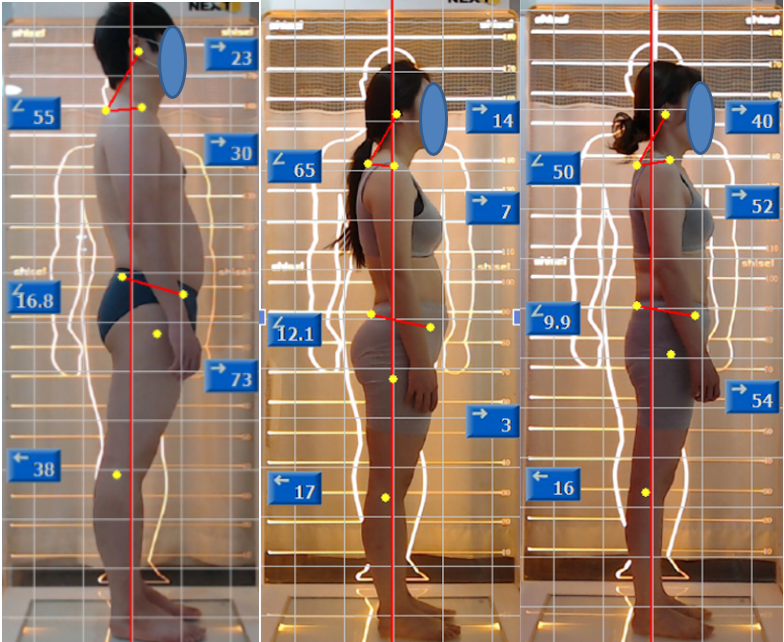
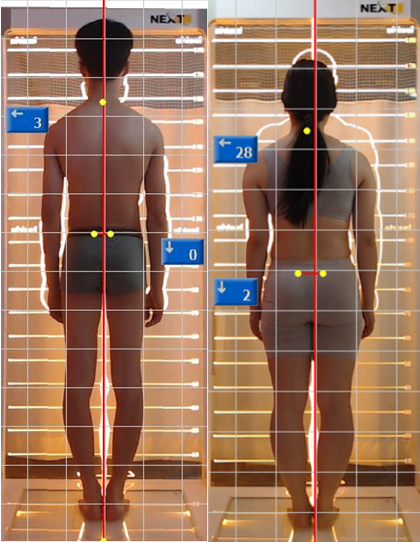
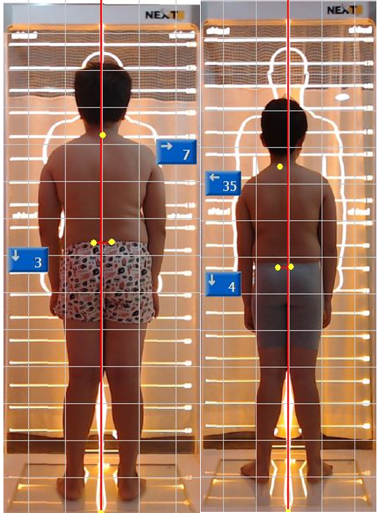
Postural changes may vary by individual. Images shown are
examples and do not guarantee specific results.